Mapping User Navigation Habits Between Andar Bahar Tables and Roulette Wheels in Integrated Online Gaming Ecosystems
Yves Krüger · Oct 14, 2026
Mapping User Navigation Habits Between Andar Bahar Tables and Roulette Wheels in Integrated Online Gaming Ecosystems
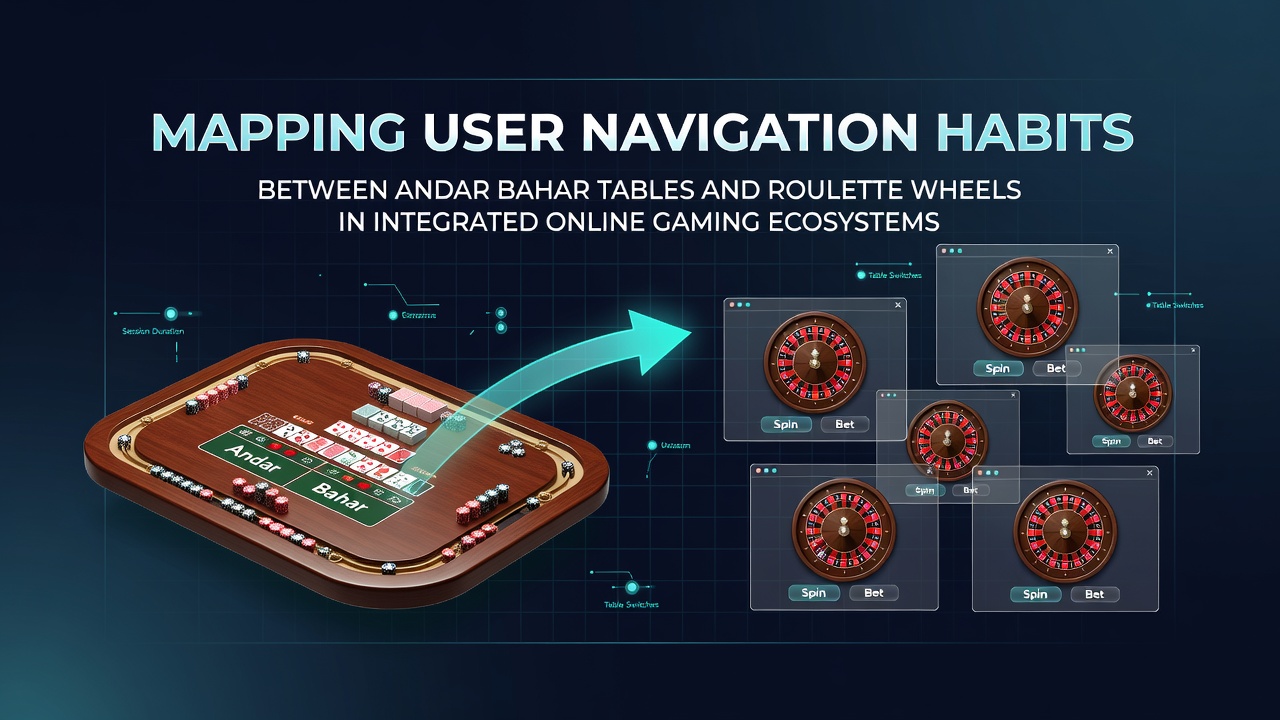
Integrated online gaming platforms combine traditional card games like Andar Bahar with wheel-based options such as roulette, and observers note distinct navigation patterns among users who switch between these formats during single sessions. Data from platform analytics reveal that players often begin with Andar Bahar tables, which feature rapid card-based rounds, before transitioning to roulette wheels that introduce longer betting intervals and visual wheel mechanics. These shifts occur within unified interfaces where account balances and session histories carry over seamlessly, allowing researchers to track sequences without interruption.
Platform Architecture Supporting Cross-Game Movement
Modern ecosystems rely on shared backend systems that log every table entry and exit, and according to figures released by iGaming Ontario, multi-game sessions increased by 18 percent in the first half of 2026. Users navigate through lobby dashboards that display live table occupancy alongside wheel spin histories, which encourages quick switches when one format shows high activity. Those who study these interfaces report that menu designs place Andar Bahar and roulette entries within two clicks of each other, reducing friction and supporting fluid movement between the two.
Observed Session Sequences
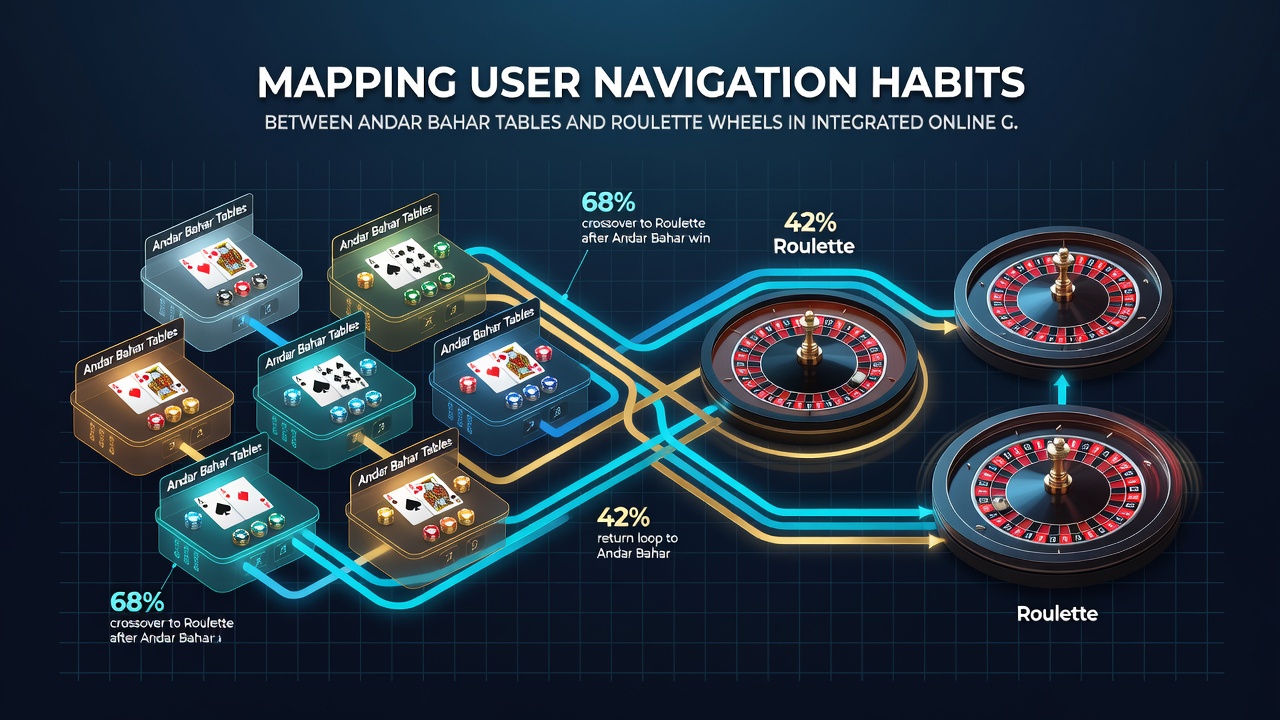
Analytics dashboards capture recurring paths where participants spend an average of 14 minutes on Andar Bahar before opening a roulette wheel, and this pattern holds across both desktop and mobile access points. Heatmap studies show concentrated clicks around balance transfer buttons during these transitions, while time-stamped logs indicate that evening hours between 8 pm and 11 pm local time see the highest frequency of such switches. Platform operators compile these records to adjust table availability, ensuring that popular Andar Bahar variants remain open when roulette traffic peaks.
Data Collection Methods and Regional Comparisons
Tracking relies on anonymized player identifiers that follow individuals across game types, and reports from the New Jersey Division of Gaming Enforcement document similar navigation habits in North American markets during October 2026. European operators apply parallel logging techniques, yet regional differences emerge in session length, with longer roulette stays recorded in markets where wheel variants include side bets tied to card game themes. Researchers cross-reference these datasets with device type information, revealing that tablet users complete more Andar Bahar to roulette transitions per hour than smartphone users due to larger screen layouts that keep multiple tables visible simultaneously.
Industry groups compile aggregated movement statistics that exclude personal details, and these summaries help identify peak crossover times without revealing individual strategies. One dataset compiled in mid-2026 showed that 62 percent of tracked sessions included at least one switch between the two game categories, with the majority moving from card tables to wheels rather than the reverse order. Such patterns inform server allocation and promotional timing across unified platforms.
Interface Features Influencing Navigation
Live chat overlays and quick-join buttons appear consistently in both game environments, and these elements reduce the steps required to move between Andar Bahar and roulette. Developers embed persistent navigation bars that display current table wait times and wheel result histories, which users consult before deciding on the next selection. Color-coded indicators highlight tables with recent high activity, guiding movement without requiring separate searches.
Notification systems alert participants when a preferred Andar Bahar table opens or when roulette betting limits change, and these prompts correlate with measured increases in cross-game activity. Platform logs show that users who enable such alerts complete 27 percent more transitions per session than those who keep notifications disabled. The design choices reflect broader efforts to maintain engagement across varied game mechanics within a single account framework.
Conclusion
Mapping these navigation habits provides platform operators with measurable insights into how users allocate time across Andar Bahar and roulette formats in shared digital spaces. Continued collection of anonymized transition data supports refinements in interface layout and resource distribution, while regional regulatory summaries offer benchmarks for comparison. As integrated ecosystems evolve, the recorded patterns between these specific game types remain a key reference point for understanding overall player movement.