Examining Regulatory Compliance Hurdles for Integrating 7-Up-7-Down Mechanics with Live Baccarat Streams on Cross-Border Digital Platforms
Carlo Hoffmann · Nov 11, 2026

Examining Regulatory Compliance Hurdles for Integrating 7-Up-7-Down Mechanics with Live Baccarat Streams on Cross-Border Digital Platforms
Regulatory bodies across multiple continents continue to evaluate how hybrid game formats that blend 7-up-7-down dice mechanics with live baccarat streams create distinct licensing and oversight requirements on platforms that operate across national borders, and observers note that these evaluations have intensified as operators seek unified technical infrastructures capable of supporting both card-based and dice-based wagering in single sessions.
Jurisdictional Variations in Game Classification
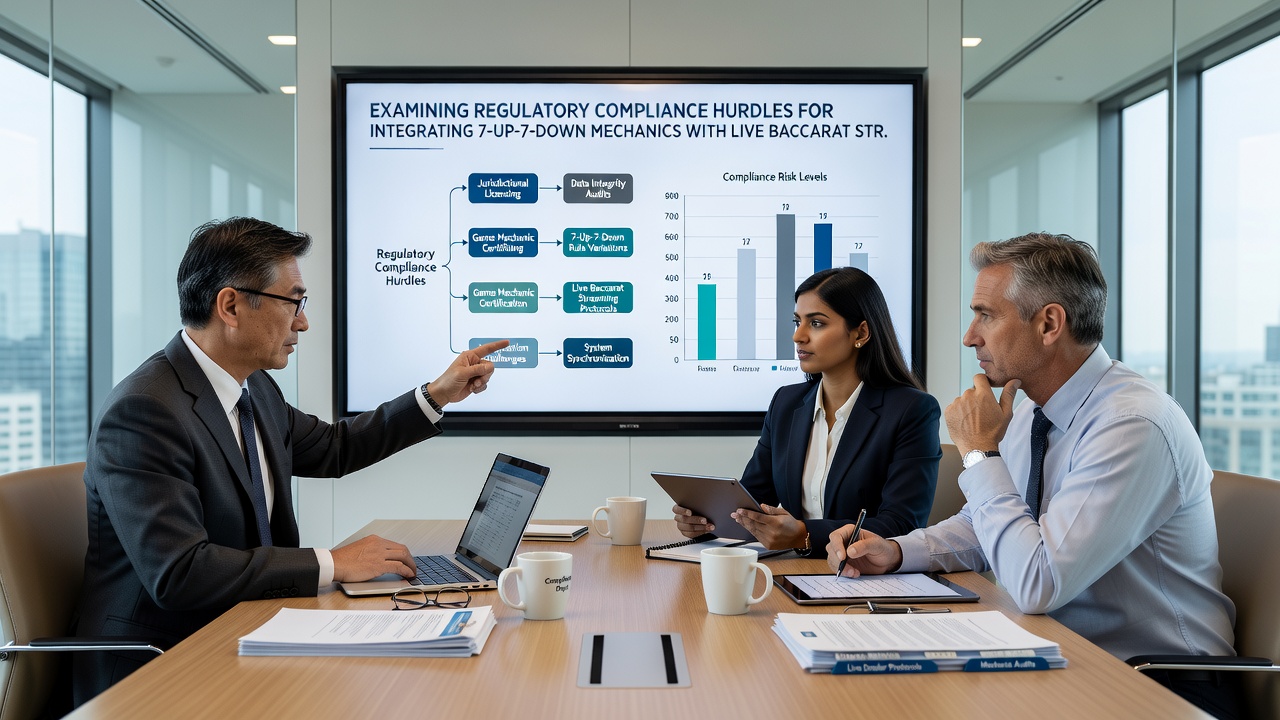
Authorities in different regions classify 7-up-7-down and baccarat under separate regulatory categories even when they appear within the same digital environment, which means platform operators must secure multiple approvals rather than a single license for the combined product, and this separation stems from historical distinctions between dice games and card games that persist in statutes despite technological convergence. Researchers tracking policy updates have documented cases where a single stream incorporating both elements triggered separate reviews under gaming control acts in Australia and under remote gaming directives in the European Union, resulting in staggered rollout timelines that extend several months beyond initial technical readiness.
Technical Certification and Fairness Protocols
Certification laboratories must test the random number generation and live video feeds for each mechanic independently while also validating the integration layer that allows players to place combined wagers, and data from industry reports indicate that these layered tests increase both time and cost compared with standalone game approvals. In practice, operators report that reconciling real-time dice outcomes with card sequencing requires additional audit trails that satisfy the evidentiary standards set by bodies such as the Malta Gaming Authority, which publishes detailed technical specifications for multi-game environments. The same standards apply when streams cross into jurisdictions that require independent verification of every wager type, creating parallel documentation obligations that must be maintained continuously rather than at periodic intervals.
Cross-Border Data and Consumer Protection Rules
Data localization mandates in several markets require that player records generated during hybrid sessions remain stored within national boundaries even when the streaming server operates elsewhere, and this requirement collides with the need for centralized risk monitoring across all participating jurisdictions. Analysts have observed that operators addressing these conflicts often establish regional data hubs that mirror transaction logs while still routing live video through a primary facility, yet each hub must comply with distinct encryption and retention schedules. Consumer protection provisions further complicate matters because age verification and self-exclusion systems must function uniformly across borders while respecting local definitions of responsible gambling tools, which sometimes differ in minimum age thresholds or cooling-off period lengths.
Licensing Timelines and Market Entry in November 2026
Regulatory calendars show that several jurisdictions plan to finalize updated remote gaming codes by November 2026, with explicit provisions addressing hybrid products that combine dice and card elements, and operators preparing for those dates have begun pre-submission consultations to align their compliance roadmaps with the anticipated language. The Nevada Gaming Control Board has signaled that it will require separate evaluation of any dice component even when it appears alongside established table games, while parallel discussions in Canadian provinces focus on harmonizing interprovincial standards for live dealer feeds that incorporate additional wager types. These upcoming milestones have prompted platform developers to build modular compliance engines that can toggle specific controls based on the detected location of each player account.
Anti-Money Laundering and Transaction Monitoring
Financial intelligence units in multiple countries require transaction monitoring systems to flag patterns that span different game types, and the addition of 7-up-7-down side bets within baccarat streams expands the range of possible velocity and structuring indicators that algorithms must capture. Guidance issued by the Australian Transaction Reports and Analysis Centre emphasizes that operators must maintain unified audit logs capable of reconstructing sequences across card and dice outcomes, while similar expectations appear in directives from the European Banking Authority that address gambling-related payment flows. The resulting monitoring architecture therefore demands integration between game servers and payment processors at a level of granularity that exceeds the requirements for either game in isolation.
Conclusion
Cross-border platforms that seek to merge 7-up-7-down mechanics with live baccarat streams encounter layered regulatory obligations that span licensing, technical certification, data governance, and financial oversight, and the pace of policy development through November 2026 suggests that operators will continue to allocate substantial resources to maintain alignment with evolving standards across jurisdictions. Figures from regulatory filings reveal that successful deployments depend on early engagement with multiple authorities and the deployment of adaptable compliance systems capable of supporting distinct requirements without fragmenting the player experience.